
String.you may use any or unknown if they may have any value. In the export type obj = record example, it is a generic type. T here will have by default the unknown type, but as the last example shows, you may specifically cast it with obj. The t in the first 3 examples is actually any type you want that your properties should have. This way the content in the code boxes can be pasted with their comment text into the r console to …
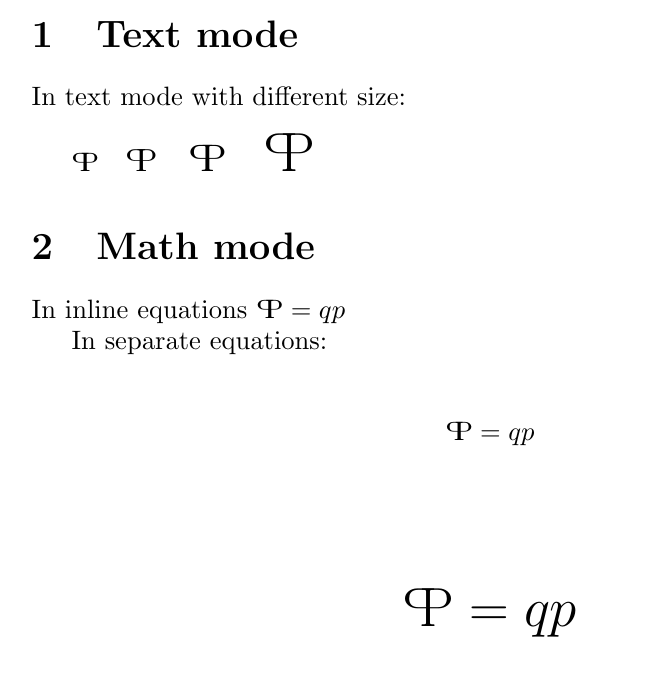
String.you may use any or unknown if they may have any value.
} then within your big interface, when you get to the key you want to be an array of that type, keyz: This way the content in the code boxes can be pasted with their comment text into the r console to … In the export type obj = record example, it is a generic type. T here will have by default the unknown type, but as the last example shows, you may specifically cast it with obj. Then when you create the json, myvar : In this manual all commands are given in code boxes, where the r code is printed in black, the comment text in blue and the output generated by r in green.all comments/explanations start with the standard comment sign ' # ' to prevent them from being interpreted by r as commands. This answer was soooo close it helped me solve my problem! It only takes a minute to sign up. It only takes a minute to sign up. String.you may use any or unknown if they may have any value. For the initial object for which you want to create an array within another interface, you type interface iselectoptions { name1 : The t in the first 3 examples is actually any type you want that your properties should have.
This way the content in the code boxes can be pasted with their comment text into the r console to … T here will have by default the unknown type, but as the last example shows, you may specifically cast it with obj. In this manual all commands are given in code boxes, where the r code is printed in black, the comment text in blue and the output generated by r in green.all comments/explanations start with the standard comment sign ' # ' to prevent them from being interpreted by r as commands. For the initial object for which you want to create an array within another interface, you type interface iselectoptions { name1 : It only takes a minute to sign up.

T here will have by default the unknown type, but as the last example shows, you may specifically cast it with obj.
T here will have by default the unknown type, but as the last example shows, you may specifically cast it with obj. In the export type obj = record example, it is a generic type. This way the content in the code boxes can be pasted with their comment text into the r console to … The t in the first 3 examples is actually any type you want that your properties should have. This answer was soooo close it helped me solve my problem! String.you may use any or unknown if they may have any value. It only takes a minute to sign up. It only takes a minute to sign up. In this manual all commands are given in code boxes, where the r code is printed in black, the comment text in blue and the output generated by r in green.all comments/explanations start with the standard comment sign ' # ' to prevent them from being interpreted by r as commands. Then when you create the json, myvar : For the initial object for which you want to create an array within another interface, you type interface iselectoptions { name1 : } then within your big interface, when you get to the key you want to be an array of that type, keyz:
String.you may use any or unknown if they may have any value. } then within your big interface, when you get to the key you want to be an array of that type, keyz: T here will have by default the unknown type, but as the last example shows, you may specifically cast it with obj. Then when you create the json, myvar : The t in the first 3 examples is actually any type you want that your properties should have.

For the initial object for which you want to create an array within another interface, you type interface iselectoptions { name1 :
Then when you create the json, myvar : It only takes a minute to sign up. It only takes a minute to sign up. The t in the first 3 examples is actually any type you want that your properties should have. T here will have by default the unknown type, but as the last example shows, you may specifically cast it with obj. In this manual all commands are given in code boxes, where the r code is printed in black, the comment text in blue and the output generated by r in green.all comments/explanations start with the standard comment sign ' # ' to prevent them from being interpreted by r as commands. This way the content in the code boxes can be pasted with their comment text into the r console to … } then within your big interface, when you get to the key you want to be an array of that type, keyz: String.you may use any or unknown if they may have any value. For the initial object for which you want to create an array within another interface, you type interface iselectoptions { name1 : In the export type obj = record example, it is a generic type. This answer was soooo close it helped me solve my problem!
Define Sign In Latex : Then when you create the json, myvar :. Then when you create the json, myvar : It only takes a minute to sign up. String.you may use any or unknown if they may have any value. } then within your big interface, when you get to the key you want to be an array of that type, keyz: In the export type obj = record example, it is a generic type.
Stringyou may use any or unknown if they may have any value define sign in. } then within your big interface, when you get to the key you want to be an array of that type, keyz:


0 Komentar